







Direct answer: which is the best beachfront condo area in Pattaya?
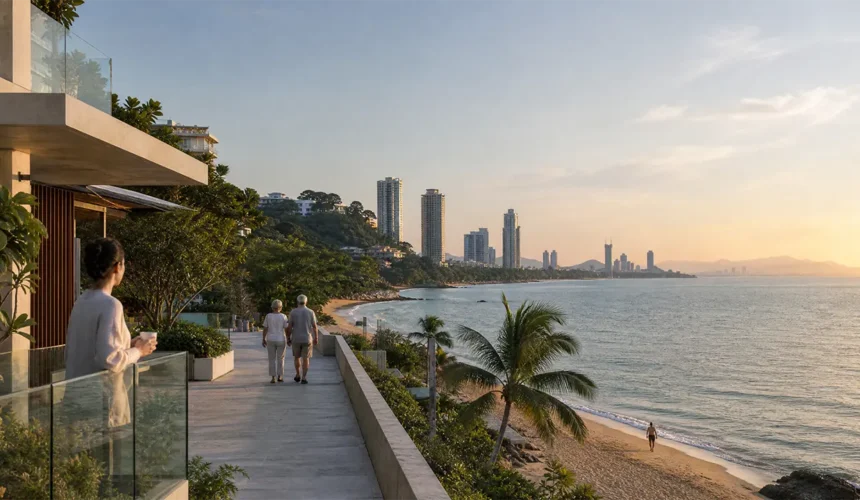
There is no single best beachfront condo area in Pattaya for every buyer or renter. Wong Amat generally suits people prioritising a quieter northern coastal setting; Jomtien suits beach-first daily living with a more active public beachfront; Na Jomtien suits a lower-density, resort-oriented routine; and Pratumnak suits residents who want a settled hillside neighbourhood between Pattaya and Jomtien rather than a flat beachfront strip. The right choice depends on how often you will use the beach, whether you need walkable services, how you travel, and what the individual project and unit actually offer.
Introduction: compare the coast, not just the view
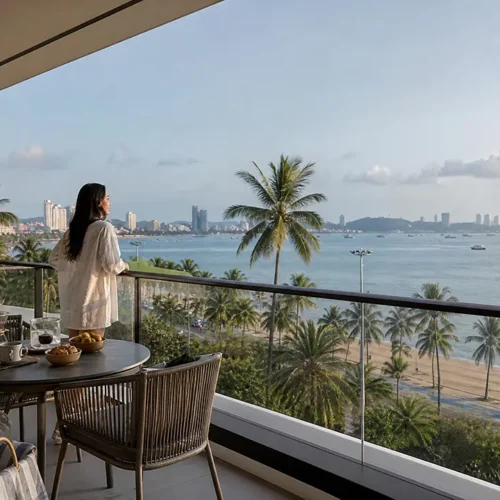
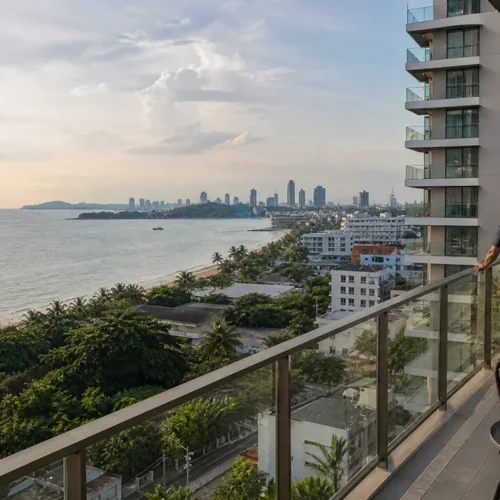
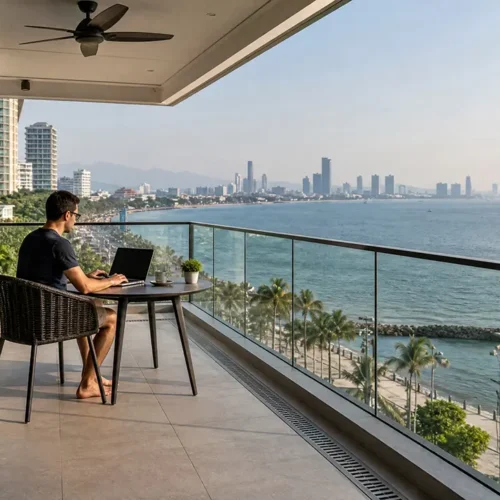
Pattaya is a coastal destination in Chon Buri on Thailand’s eastern Gulf coast. The Tourism Authority of Thailand lists Pattaya and Jomtien among Chon Buri attractions. For condo research, “Pattaya beachfront” is not one uniform lifestyle: a public beach-road tower, a project across the road from sand and a hillside sea-view building can all feel very different.
Wong Amat: a quieter northern coastal choice
Jomtien: a practical beach-first lifestyle
Na Jomtien: quieter coast, fewer walkable assumptions
Pratumnak: elevated, central and not always beachfront
How to choose between the four areas
- Beach use: Do you want a public beach walk, direct resort access, a sheltered cove or simply a Gulf view?
- Transport: Will you drive, use taxis, ride a motorbike or walk? U-Tapao Rayong–Pattaya International Airport provides passenger guidance and public-transport information, but airport convenience still depends on the exact address and travel conditions.
- Daily services: Can you reach food, healthcare, banking and basic errands without a long trip?
- Noise and privacy: Is the building beside a public road, restaurant, beach venue, construction site or service lane?
- Building reality: What are the common fees, sinking-fund position, management rules, maintenance history, parking arrangements and rental restrictions?
- Unit reality: Is the stated area the saleable area? Is the view from the actual balcony? Are furniture, internet and utility arrangements documented?
Legal and ownership checks before you commit
A practical step-by-step viewing process
- Define the routine. Record beach use, transport, services, noise tolerance and whether you are renting or buying.
- Shortlist and map. Choose one or two districts, then walk from the entrance to the beach, a food shop and transport route in daylight and after dark.
- Inspect the exact unit. Check orientation, heat, ventilation, noise, water, internet, storage, parking, moisture and corrosion.
- Read documents and costs. Confirm title, ownership, common fees, rules, permissions, foreign quota, contract conditions and all purchase or rental costs before paying. Never treat an advertised return as guaranteed.
- Decide without pressure. If the project, unit, documents or access cannot be verified, pause and obtain independent advice.
Practical step-by-step actions
- Write your non-negotiables. Define budget, minimum space, beach access, view, parking, pets, work needs, lease length, and noise tolerance.
- Shortlist by map. Separate true shoreline access from “near beach,” then identify daily services and transport routes.
- Request documents. Ask for the floor plan, current cost schedule, sale or tenancy terms, and available building information.
- View the exact unit twice. Visit in daylight and evening, and test the route outside the project.
- Inspect and record. Photograph defects, test systems, note noise, and list every included item.
- Ask written questions. Confirm fees, repairs, deposits, ownership, quota, parking, pets, and renewal or transfer terms.
- Use independent review. Before a purchase or substantial deposit, consult a qualified lawyer and, where appropriate, an inspector.
- Decide on evidence, not urgency. If a key answer is unavailable, pause.