







Direct answer
The best Pattaya beachfront vacation condo is not simply the one with the strongest sea-view photograph. It is the project or the unit under consideration that makes your real weekend easy: arrival, beach time, food, errands, sleep and departure. Test the area at the times you will use it, then verify the unit, building rules, ownership position and total costs before deciding.
Introduction: buy the weekend you will actually use
A hotel can feel perfect for two nights because reception, housekeeping and breakfast remove daily friction. A second home must support the repeatable version of your life: arriving with luggage, buying essentials, making coffee, taking a call, finding dinner, sleeping well and locking up before you leave.
Pattaya combines a Gulf beach setting with restaurants, activities and access from Bangkok. The Tourism Authority of Thailand describes it as a beach resort about 150 kilometres southeast of Bangkok, with seafood, international dining, water activities and nearby island trips. TAT’s Chon Buri guide also places Pattaya, Jomtien and Ko Lan within a wider coastal area with markets, gardens and cultural attractions.
That variety makes a routine-led viewing important. A quiet morning may matter more than nightlife; a practical airport transfer may matter more than a dramatic view. This guide helps second-home buyers and short- or medium-stay renters test those trade-offs before they commit.
Start with your routine, not the brochure
Write your likely Friday-to-Sunday rhythm before comparing buildings. Note your arrival time, preferred beach activity, cooking habits, work requirements, transport, noise tolerance and who will use the home. A couple who wants sunrise walks needs a different location from a family that prioritises groceries, parking and easy evenings.
The word “beachfront” does not by itself confirm direct beach access, public access, a permanent view, quiet nights, or a particular management policy. Ask for a site plan, title information, current building rules, the measured route to the beach and an inspection at the time you expect to use the home. Treat every lifestyle claim as a question for the project or the unit under consideration.
[Website team note: Insert verified project-level facts here: exact beach access, frontage and measured walking route from the project or the unit under consideration.
Your realistic Pattaya weekend test-drive
Friday arrival: test the first hour
Arrive as you normally would rather than viewing only during a quiet weekday. If you drive from Bangkok, allow for variable traffic and use live navigation. Pattaya is connected to Bangkok by routes including Motorway 7; the Chon Buri provincial page describes the motorway route into Bang Lamung and Pattaya, but its published distances should not be treated as a live journey estimate.
If you fly, compare the practical arrival from your likely airport. U-Tapao Rayong-Pattaya International Airport lists car rental, public transport, vans and taxi or cooperative providers on its official transport page. Confirm the current provider, pickup point, fare and availability before relying on a transfer assumption.
At the building, test the arrival sequence. Is the entrance clear after dark? Can a car stop safely for luggage? Is the route from parking or the lobby manageable with groceries? Are reception hours, key access and security compatible with your arrival? A good-looking lobby cannot fix an awkward handover every weekend.
Saturday morning: test the beach routine
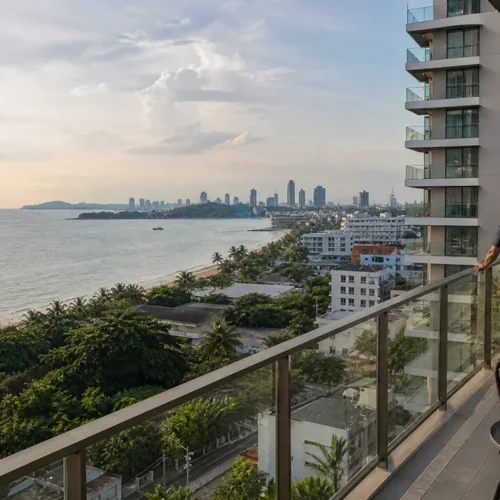
Walk the route you would use for a swim, run, coffee or quiet sitting. Notice crossings, pavement, shade, traffic, construction, beach access points and the return route with wet towels or shopping bags. Do not infer private beach access or an unobstructed view from a listing image.
TAT highlights swimming, sunbathing, sailing, snorkelling and other water activities in Pattaya, while warning that the sun is strong. For a second home, the useful question is whether you will enjoy reaching the beach repeatedly. Confirm where sand, wet clothing or equipment can be handled rather than assuming the building provides those facilities.
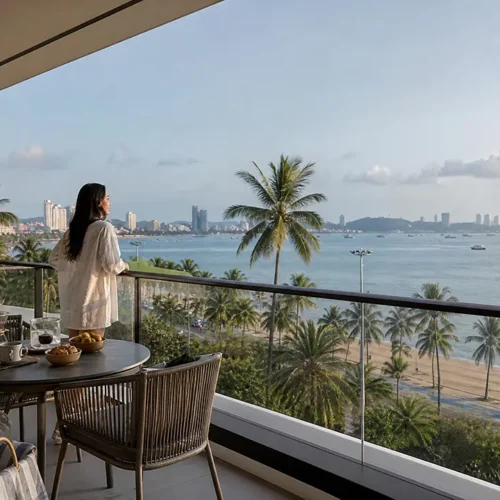
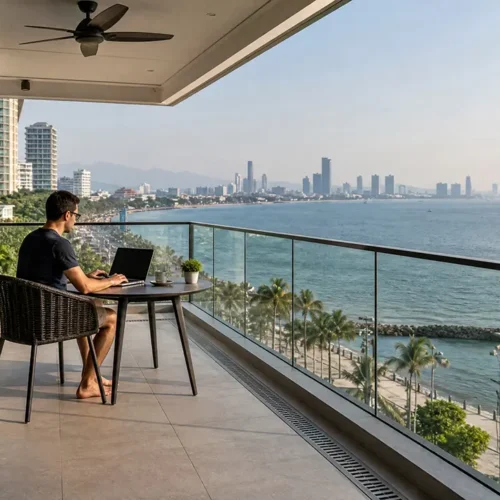
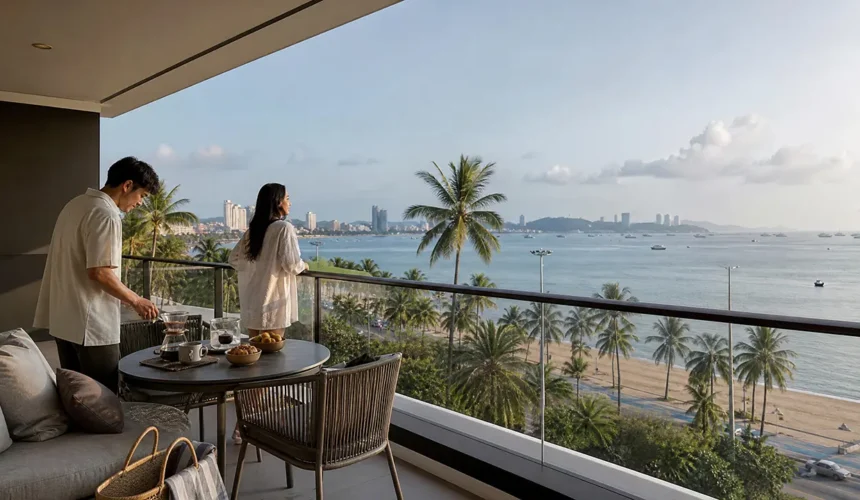
Back in the unit, check morning heat, ventilation, balcony usability and privacy. Ask whether you could eat breakfast there comfortably. For a month-long renter or remote worker, test the desk, chair, sockets, mobile signal and internet during normal use. Request unit-level evidence rather than accepting a generic building claim.
Saturday midday: test errands and downtime
Buy a few essentials and locate a pharmacy, clinic, market or supermarket that suits your routine. TAT notes Pattaya’s seafood and international dining, but restaurant choice is not the same as everyday convenience. Check opening hours, delivery coverage, payment methods and whether the route is manageable in heat or rain.
Spend an hour using the unit as an office if that matters to you. Ask who supplies the internet, how faults are reported and whether nearby road, pool, bar or construction noise would affect calls. Then rest with the windows or balcony doors in the position you would normally choose. Listen for traffic, machinery, music, corridors, lifts and pool use.
Saturday evening: test dining, noise and sleep
Have dinner in the area and return without rushing. Pattaya offers nightlife as well as quieter and family-oriented activities, so the question is not whether one area is universally “better.” It is whether the activity level suits you.
Stand in the bedroom and living room with the air-conditioning off for a few minutes. Check street, neighbouring-unit, rooftop and venue noise. Ask the juristic person or seller about quiet hours, renovations, pets, short-stay policies and complaint procedures. These are management questions, not assumptions based on the word “resort.”
If possible, sleep in the unit or in a nearby property with a comparable street and building position. An evening visit is useful; an ordinary night is better. Renters should confirm inclusions, deposits, utilities, cleaning, maintenance response and renewal terms in writing.
Sunday: test repeat value and departure
Repeat one part of Saturday: walk to the beach, make breakfast or take a short trip. TAT describes Ko Lan as a possible one-day trip and notes minibuses and motorbike taxis on the island. The point is not to complete every attraction; it is to see whether the location supports the weekends you imagine rather than only the first exciting visit.
Before leaving, perform a lock-up test. Check storage, laundry, rubbish disposal, water pressure, drainage, appliances, balcony doors, window seals and meter locations. Photograph defects and request written responses. Would you look forward to repeating this weekend six times a year? If not, investigate the friction before proceeding.
Ownership, costs and rental caution
Foreign buyers should treat condominium ownership as a legal verification exercise. Thailand’s government guidance says that, under the Condominium Act 1979, foreigners may own within the 49% limit for a registered condominium building, and that a letter confirming the foreign proportion from the condominium juristic person is needed for the transfer process. This is general information, not legal advice. A qualified Thai property lawyer and the relevant Department of Lands office should confirm current requirements before commitment.
Request a complete cost sheet for the project or the unit under consideration. It may include purchase, transfer, common expenses, sinking fund, utilities, insurance, furnishing, repairs, management, cleaning and tax or compliance items. Do not treat a projected rental return as a fact. Confirm any short- or medium-stay plan against Thai law, licensing and condominium rules.
[Website team note: Add current unit-level information here: asking price, common fees, sinking fund, floor plan, orientation and inventory status only after verification.
Practical next steps before you choose
- Write a weekend brief. Record arrival, beach, work, dining, transport, noise and user requirements.
- Shortlist by routine. Keep “direct beachfront,” “near the beach” and “sea view” separate until verified.
- Book a timed viewing. See the project or the unit under consideration in daylight and evening, and after rain if possible.
- Test one ordinary weekend. Complete an arrival, beach walk, grocery run, work session, dinner and night-sound check.
- Request the document pack. Obtain title and project documents, fees, house rules, juristic-person information, quota confirmation where relevant and written promises.
- Use independent professionals. Have a lawyer review ownership and the transaction; use a qualified inspector for defects when appropriate.
- Decide on enjoyment first. Assess affordability and any letting plan only after the lifestyle case works. No guide can guarantee investment performance or rental returns.
FAQ: Pattaya beachfront vacation condo decisions
01.
Is Pattaya suitable for a second home?
It can suit buyers who value a coastal routine, dining, leisure activities and access from Bangkok. Fit depends on your noise tolerance, transport habits, budget and frequency of use.
02.
What does “beachfront condo” mean in Pattaya?
Treat it as a marketing description until the site plan, boundaries, public access, measured route and unit position are verified. “Sea view” does not necessarily mean direct beach access.
03.
Is Jomtien better than central Pattaya?
Neither is universally better. Compare the exact project or unit by beach access, activity, dining, errands, transport and sleep, then verify current conditions in person.
04.
Can a foreigner own a Pattaya condominium?
Government guidance says foreign ownership is permitted within a 49% limit in a registered condominium building, subject to legal and documentary requirements. Obtain current advice and written confirmation for the specific project.
05.
Can I rent out my Pattaya condo for short stays?
Do not assume that ownership permits short-term letting. Check Thai legal requirements, licensing, condominium rules and the building’s current policy with a qualified lawyer and the juristic person.
06.
What should I test during a condo viewing?
Test the beach route, arrival and parking, internet, kitchen and laundry, daytime and nighttime noise, drainage, water pressure, storage, security and the lock-up process.
07.
Should I choose the view or the location?
Choose the routine first. A view is valuable only if the unit is comfortable, legally and financially workable, well managed and easy to use repeatedly. Confirm orientation, obstructions and future construction risk where possible.
Conclusion: choose the ease of coming back
A Pattaya beachfront vacation condo becomes a convincing second home when the weekend works as a whole: easy arrival, enjoyable beach access, useful dining and errands, restful sleep and a confident departure. That is a more durable test than brochure adjectives.
Beachfront Condo Pattaya can help you compare the lifestyle fit of the project or the unit under consideration and identify the questions needing verified answers. For a calm, no-pressure conversation or a viewing built around your actual weekend routine, get in touch and bring your checklist.